
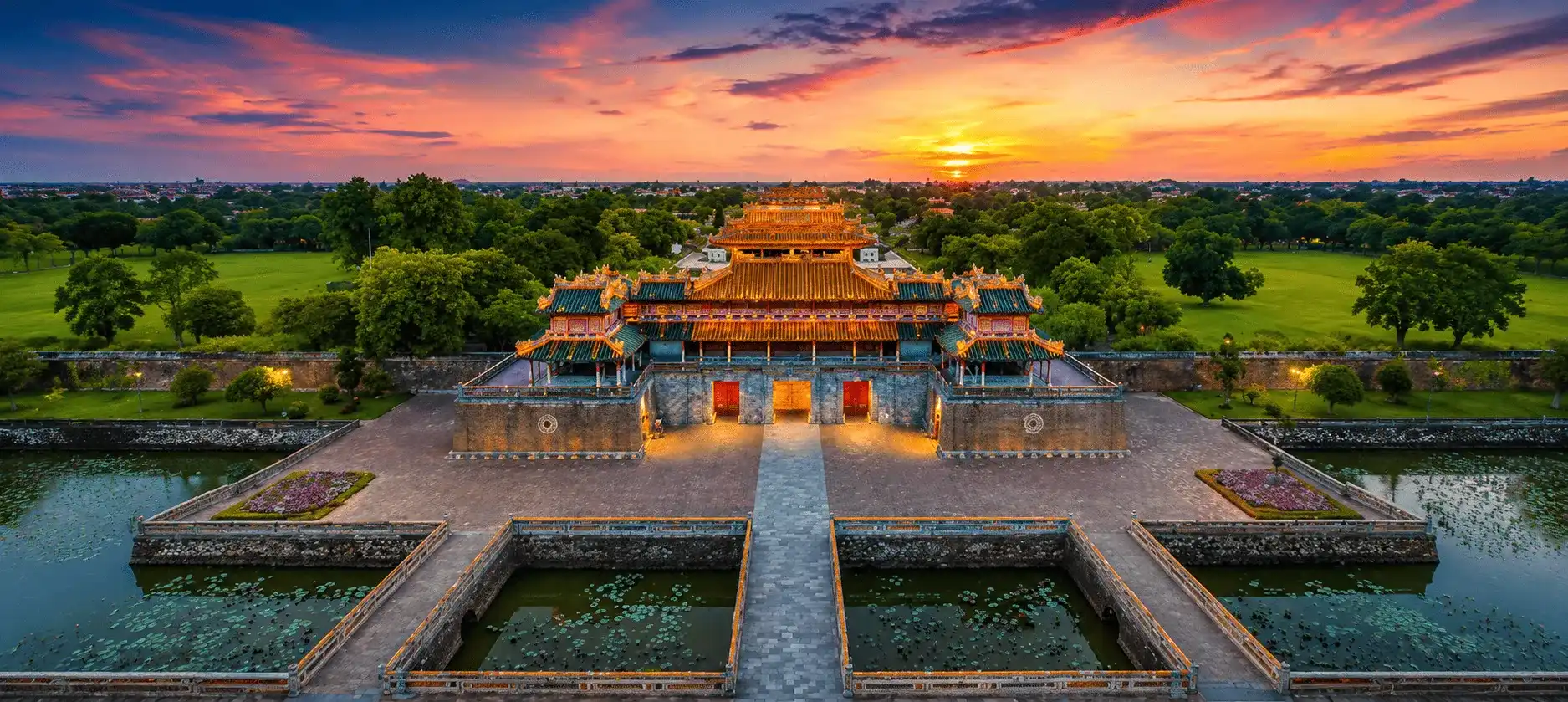
Hue is one of Vietnam's most historic and culturally significant cities, renowned for its imperial heritage, ancient monuments, and timeless charm. Located on the banks of the picturesque Perfume River, Hue served as the imperial capital of the Nguyen Dynasty from 1802 to 1945 and is home to a remarkable collection of royal palaces, temples, pagodas, and tombs. Fondly known as the "City of Imperial Heritage," Hue offers visitors a fascinating journey through Vietnam's royal past.
The city's rich history is reflected in its UNESCO-listed Imperial City, majestic citadel, serene pagodas, and beautifully preserved royal tombs. Visitors can cruise along the Perfume River, explore ancient architecture, experience traditional music performances, and savor Hue's renowned royal cuisine while discovering the city's unique cultural identity.
With its harmonious blend of history, architecture, and natural beauty, Hue remains one of Vietnam's most captivating destinations. Whether exploring centuries-old landmarks, enjoying peaceful river views, or experiencing the city's vibrant traditions, visitors are sure to enjoy an unforgettable cultural experience in the heart of central Vietnam.
DAY-3 : HUE
|
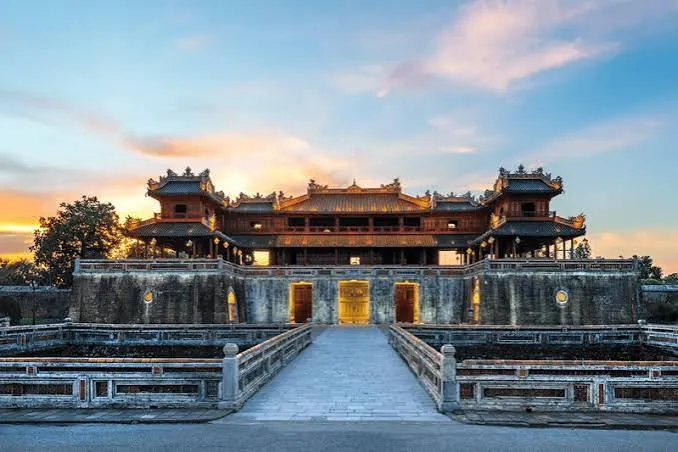
The Imperial City is the most iconic landmark in Hue and a UNESCO World Heritage Site, serving as the political, cultural, and religious center of the Nguyen Dynasty from 1802 to 1945. Surrounded by massive stone walls, a protective moat, and grand gates, the vast complex reflects the grandeur of Vietnam's last imperial kingdom.
Inside the citadel, visitors can explore magnificent palaces, royal temples, ceremonial halls, gardens, and the historic Forbidden Purple City, once reserved exclusively for the emperor and the royal family. The beautifully restored architecture, intricate carvings, and peaceful courtyards offer a fascinating glimpse into Vietnam's imperial past.
Rich in history, culture, and architectural beauty, the Imperial City is one of Vietnam's most treasured historical sites. Its impressive monuments, royal heritage, and timeless elegance make it a must-visit destination for anyone exploring the ancient city of Hue.
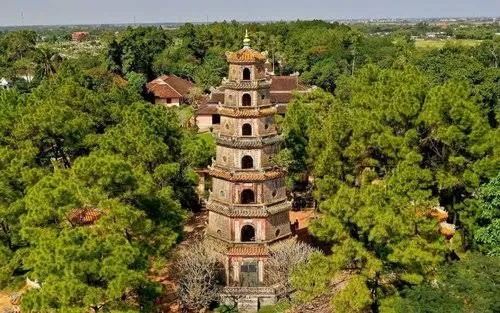
Thien Mu Pagoda is the oldest and most iconic Buddhist temple in Hue, gracefully situated on a hill overlooking the scenic Perfume River. Founded in 1601, the pagoda has become a symbol of the city, admired for its peaceful atmosphere, rich history, and elegant traditional architecture.
The pagoda's most distinctive feature is the magnificent seven-story Phuoc Duyen Tower, which stands 21 meters tall and is regarded as one of Vietnam's most recognizable religious monuments. Visitors can also explore beautifully landscaped gardens, ancient temple halls, historic shrines, and a collection of valuable Buddhist relics while enjoying breathtaking views of the river.
Combining spiritual significance with architectural beauty and tranquil surroundings, Thien Mu Pagoda offers a memorable cultural experience for visitors. Its historical importance, serene ambiance, and picturesque setting make it one of the must-visit attractions in Hue.
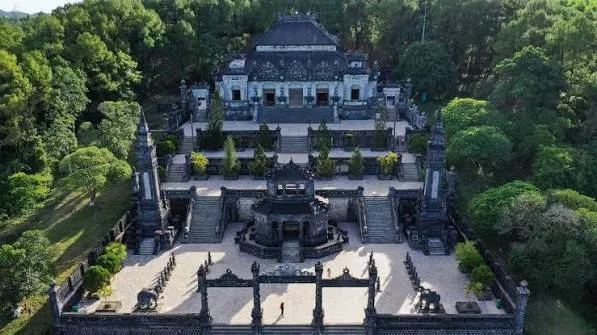
The Tomb of Khai Dinh is one of the most magnificent royal mausoleums in Hue, built for Emperor Khai Dinh, the 12th ruler of the Nguyen Dynasty. Constructed between 1920 and 1931, the tomb is renowned for its unique fusion of traditional Vietnamese design with European, Gothic, and Baroque architectural influences, making it unlike any other imperial tomb in Vietnam.
Perched on a hillside, the monument is reached by climbing a grand staircase flanked by impressive stone statues of royal guards, elephants, and horses. Inside, visitors are captivated by lavish interiors decorated with intricate porcelain and glass mosaics, elaborate dragon motifs, and the beautifully crafted bronze statue of Emperor Khai Dinh beneath an ornate ceiling.
Combining artistic excellence, royal history, and remarkable architecture, the Tomb of Khai Dinh is one of Hue's most extraordinary cultural landmarks. Its stunning craftsmanship, rich historical significance, and panoramic setting make it a must-visit destination for travelers exploring Vietnam's former imperial capital.
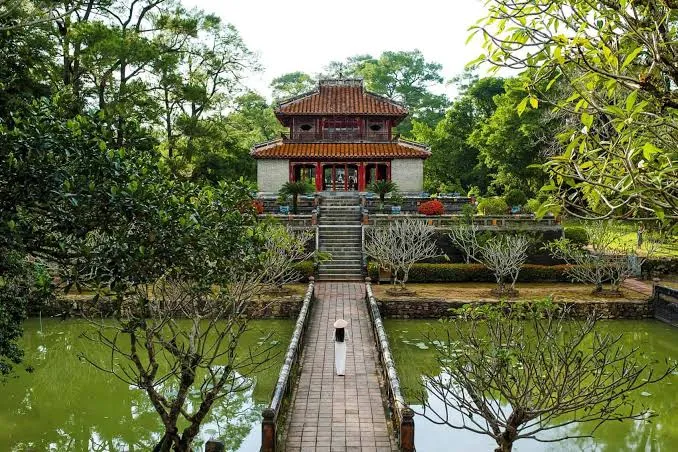
The Tomb of Minh Mang is one of the most beautiful and well-preserved royal mausoleums in Hue, built in honor of Emperor Minh Mạng. Completed in 1843, the tomb is renowned for its harmonious blend of traditional Vietnamese architecture, serene natural landscapes, and Confucian philosophy, reflecting the emperor's vision of balance and order.
Spread across a vast complex, the site features majestic gates, elegant courtyards, temples, pavilions, stone bridges, lotus ponds, and tranquil gardens connected by scenic pathways. Surrounded by pine forests and peaceful lakes, the tomb's symmetrical design creates a calm and picturesque atmosphere, making it one of the finest examples of Nguyen Dynasty architecture.
Rich in history, culture, and architectural beauty, the Tomb of Minh Mang offers visitors a fascinating insight into Vietnam's imperial heritage. Its peaceful setting, exquisite craftsmanship, and timeless elegance make it one of Hue's most treasured historical landmarks and a must-visit destination for travelers exploring the ancient imperial city.
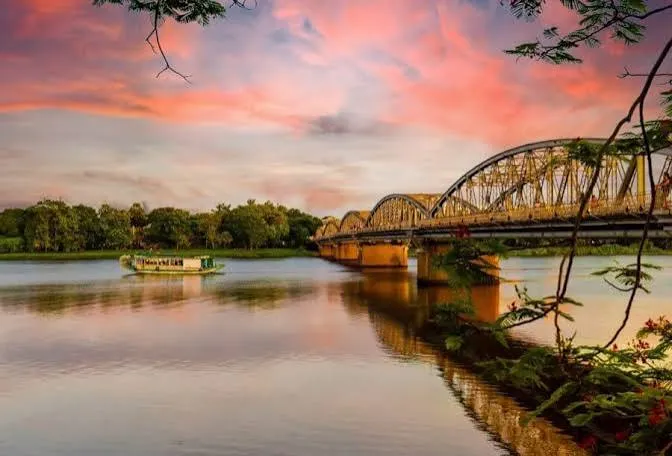
The Perfume River is the lifeline of Hue and one of the city's most picturesque natural landmarks, gracefully flowing through the heart of Vietnam's former imperial capital. Named for the fragrant flowers that once drifted downstream from nearby orchards, the river is celebrated for its tranquil beauty, cultural significance, and breathtaking scenery.
Visitors can enjoy a relaxing dragon boat cruise along the river, passing historic landmarks such as the iconic Thien Mu Pagoda, ancient temples, lush gardens, and traditional riverside villages. The calm waters and scenic landscapes provide excellent opportunities for sightseeing, photography, and experiencing the peaceful charm of Hue.
Whether admired at sunrise, during a leisurely daytime cruise, or beneath the glow of the evening lights, the Perfume River offers an unforgettable experience. Its blend of natural beauty, rich history, and serene atmosphere makes it one of Hue's most treasured attractions and a must-visit destination.
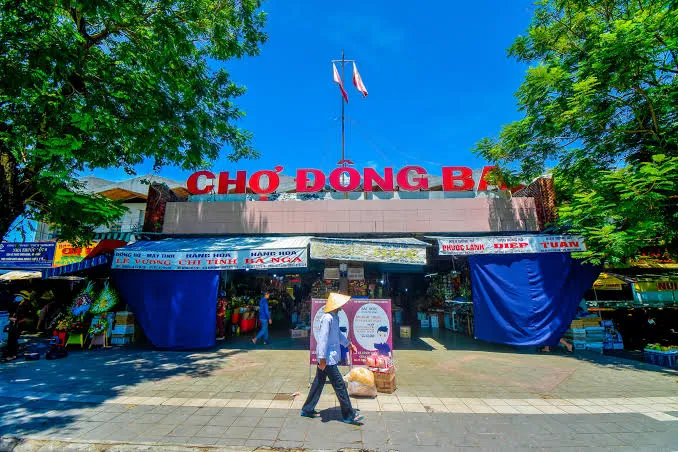
Dong Ba Market is the largest and oldest traditional market in Hue, serving as the city's vibrant commercial and cultural hub for more than a century. Located on the northern bank of the Perfume River, the bustling market offers visitors an authentic glimpse into the daily life and traditions of the local people.
The market features hundreds of stalls selling fresh produce, seafood, spices, traditional handicrafts, silk fabrics, conical hats (nón lá), clothing, souvenirs, and a wide variety of local specialties. It is also one of the best places to sample Hue's famous cuisine, including bún bò Huế, bánh bèo, bánh khoái, and other delicious street food.
With its lively atmosphere, rich local culture, and diverse shopping opportunities, Dong Ba Market is a must-visit destination for anyone exploring Hue. Whether you're searching for unique souvenirs, tasting authentic Vietnamese dishes, or experiencing the city's vibrant marketplace, Dong Ba Market offers a memorable cultural experience.
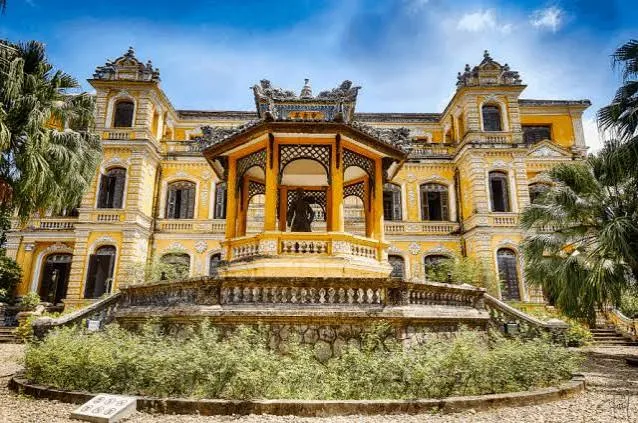
An Dinh Palace is one of Hue's most elegant royal residences, showcasing a remarkable blend of Vietnamese traditions and French colonial architecture. Built in the early 20th century by Emperor Khai Dinh before he ascended the throne, the palace later became the private residence of Emperor Bảo Đại and his royal family.
The palace is best known for its magnificent Khai Tuong Pavilion, featuring beautifully decorated halls, ornate ceilings, colorful murals, and European-inspired interiors. Visitors can explore the grand reception rooms, admire the exquisite architectural details, and learn about the lifestyle and history of Vietnam's last imperial family.
Surrounded by landscaped gardens and historic grounds, An Dinh Palace offers a fascinating glimpse into Vietnam's royal heritage and architectural evolution. Its unique combination of cultural significance, artistic beauty, and historical charm makes it one of Hue's must-visit attractions.
© 2026 International Ethnic Folklore Festival Vietnam (IEFF Vietnam). All Rights Reserved.
Designed & Developed by Driti Council of Performing Arts