
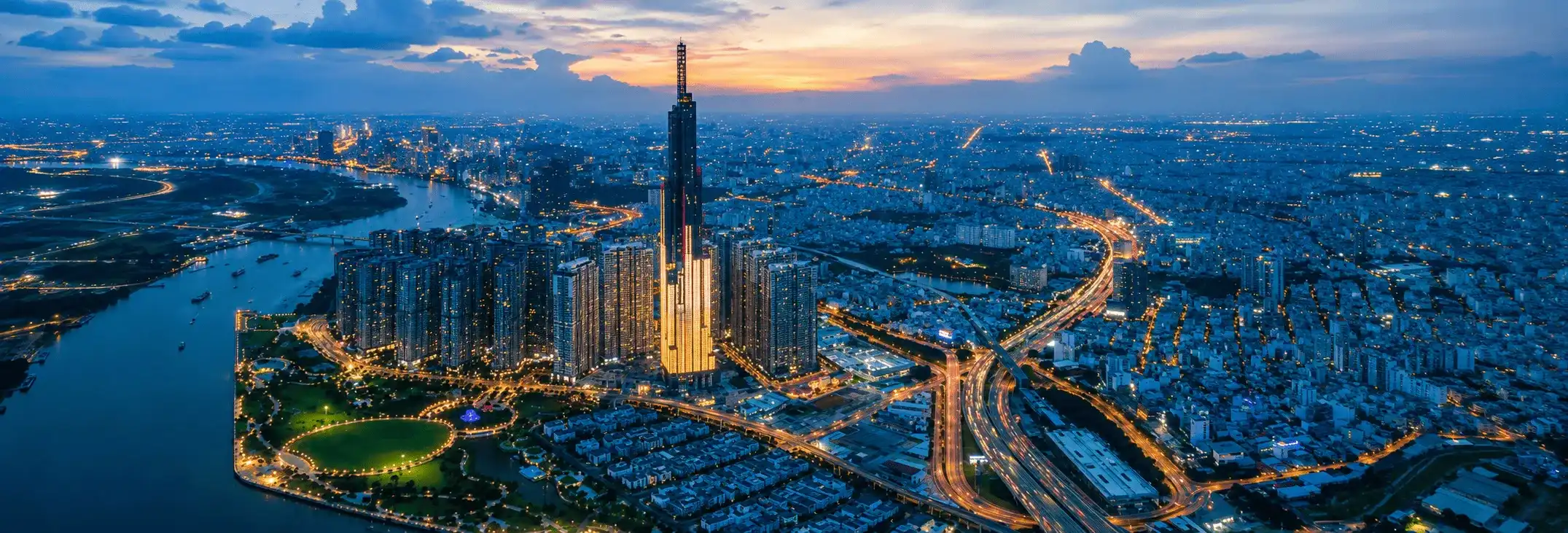
Ho Chi Minh City, formerly known as Saigon, is Vietnam's largest city and its economic, cultural, and commercial hub. Located along the Saigon River in southern Vietnam, it combines historic French colonial architecture with modern skyscrapers, vibrant markets, and bustling streets.
The city is home to iconic landmarks such as the Reunification Palace, Notre-Dame Cathedral Basilica of Saigon, the Central Post Office, and the famous Ben Thanh Market, where visitors can enjoy local shopping, handicrafts, and authentic Vietnamese cuisine. With its warm tropical climate, welcoming atmosphere, and exciting mix of history, culture, shopping, and nightlife, Ho Chi Minh City is an ideal destination and the perfect gateway to exploring southern Vietnam.
As the host of the International Ethnic Folklore Festival (IEFF Vietnam), Vietnam warmly welcomes artists and cultural ambassadors from around the world to celebrate friendship, cultural diversity, and the universal language of music and dance.
Ho Chi Minh City is a vibrant cultural destination where traditional Vietnamese heritage blends seamlessly with a modern metropolitan lifestyle. Influenced by centuries of Vietnamese traditions, French colonial history, and international commerce, the city offers a rich and diverse cultural experience.
The city's heritage is reflected in its historic landmarks, traditional customs, and the graceful Áo Dài, Vietnam's iconic national dress. Its world-famous cuisine features local favorites such as Pho, Bánh Mì, Bánh Xèo, Gỏi Cuốn (fresh spring rolls), and authentic Vietnamese coffee. Throughout the year, colorful festivals including Tet (Vietnamese Lunar New Year), the Mid-Autumn Festival, and National Day celebrate the nation's traditions and community spirit.
Traditional music, folk dances, and water puppet performances preserve Vietnam's artistic heritage, while bustling markets like Ben Thanh Market, modern shopping malls, trendy cafés, rooftop restaurants, and vibrant nightlife showcase the city's contemporary appeal. With its Buddhist pagodas, Catholic churches, Taoist temples, warm hospitality, and energetic atmosphere, Ho Chi Minh City offers visitors a perfect balance of history, culture, and modern urban life.
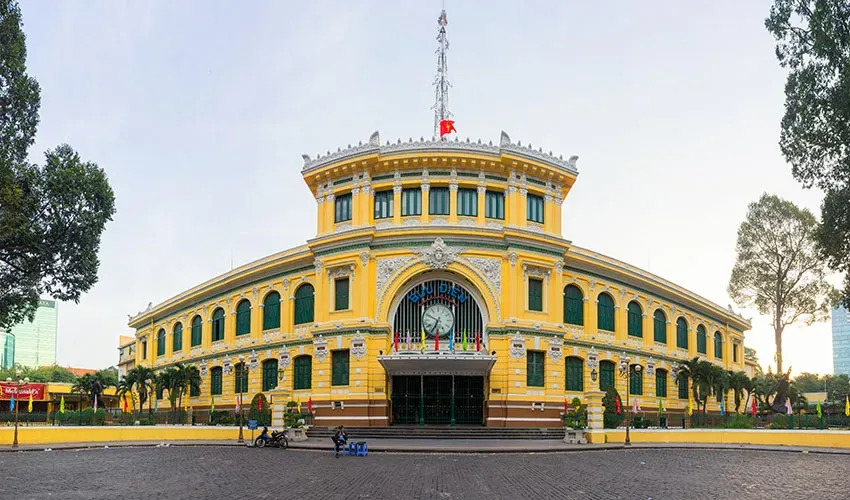
The Saigon Central Post Office is one of Ho Chi Minh City's most treasured architectural landmarks and a remarkable example of French colonial design. Constructed between 1886 and 1891, the building has stood as a symbol of the city's rich history and cultural heritage for over a century.
Inside, visitors are welcomed by soaring vaulted ceilings, elegant arches, vintage telephone booths, decorative maps, and beautifully preserved architectural details. Despite its historic character, the post office continues to function as an active postal service while attracting visitors from around the world.
Situated beside the iconic Notre-Dame Cathedral Basilica of Saigon, the Saigon Central Post Office is a must-visit attraction for history enthusiasts, photographers, and travelers. Its unique blend of historical significance, timeless beauty, and vibrant atmosphere makes it one of the city's most photographed and beloved landmarks.
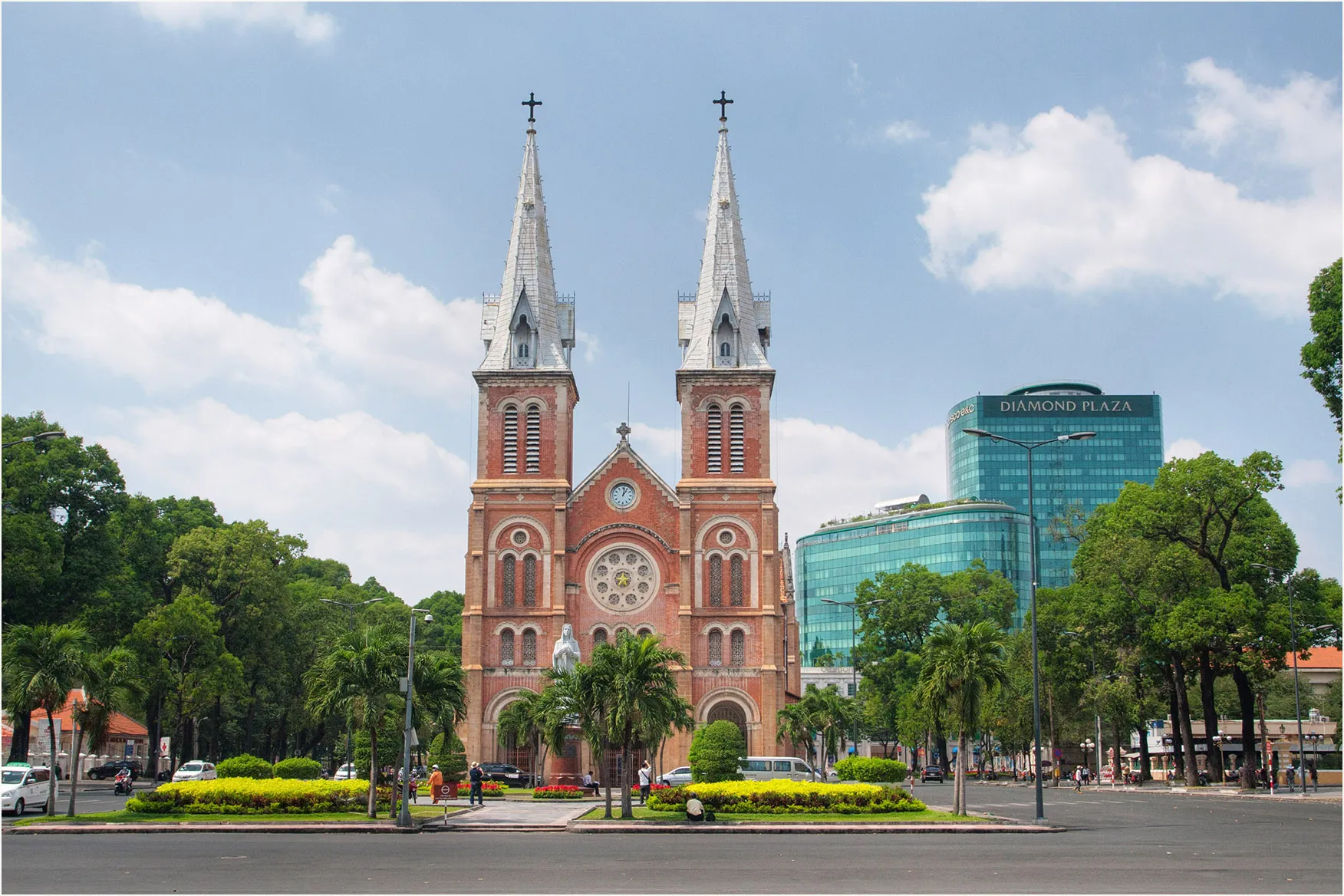
The Notre-Dame Cathedral Basilica of Saigon is one of Ho Chi Minh City's most iconic landmarks and a magnificent symbol of its French colonial heritage. Built between 1863 and 1880 using red bricks imported from France, the cathedral is renowned for its elegant Neo-Romanesque architecture and striking twin bell towers.
Surrounded by beautiful gardens and a spacious public square, the cathedral has long served as an important place of worship and a gathering point for both locals and visitors. Its peaceful atmosphere and impressive design make it one of the city's most recognizable attractions.
Located in the heart of Ho Chi Minh City, adjacent to the Saigon Central Post Office, the cathedral is a must-visit destination for those interested in history, architecture, and culture. It stands as a timeless reminder of the city's rich past while remaining an enduring symbol of faith and heritage.
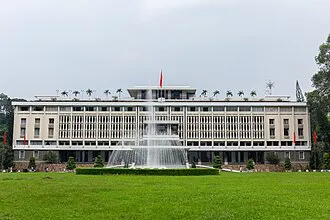
The Independence Palace, also known as the Reunification Palace, is one of Ho Chi Minh City's most significant historical landmarks. Completed in 1966, it served as the official residence and workplace of the President of South Vietnam and played a pivotal role in the country's modern history.
Visitors can explore the palace's grand reception halls, presidential offices, banquet rooms, underground command bunker, and beautifully landscaped gardens. Much of the original furniture and décor has been preserved, offering a fascinating glimpse into Vietnam's political past.
Today, the Independence Palace is a popular museum and national monument that attracts visitors from around the world. Its historical importance, striking modern architecture, and well-preserved interiors make it a must-visit destination for anyone exploring Ho Chi Minh City.
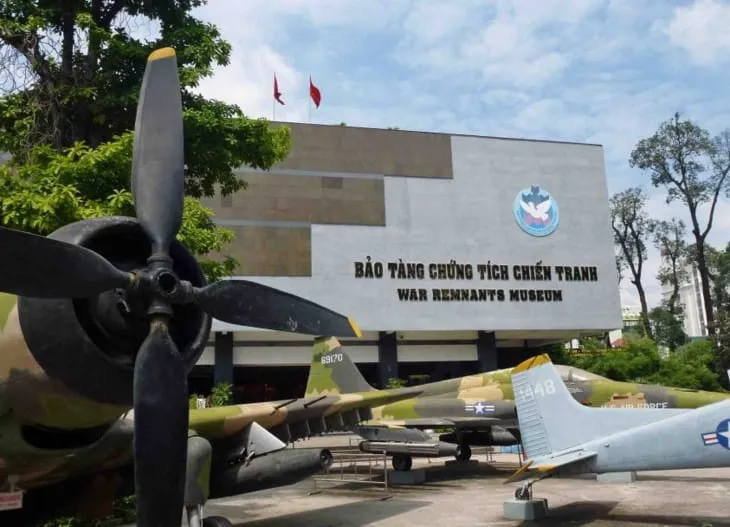
The War Remnants Museum is one of Ho Chi Minh City's most important cultural and historical attractions. Established in 1975, the museum offers a comprehensive insight into Vietnam's modern history through an extensive collection of photographs, artifacts, military equipment, and historical documents.
Its exhibitions present the impact of war on the country and its people, highlighting stories of resilience, courage, and the enduring pursuit of peace. Outdoor displays of military aircraft, tanks, and other equipment complement the indoor galleries, providing visitors with a deeper understanding of Vietnam's past.
Today, the museum is visited by millions of people from around the world each year. It serves as a place of remembrance, education, and reflection, promoting peace, reconciliation, and a greater appreciation of Vietnam's history and the resilience of its people.
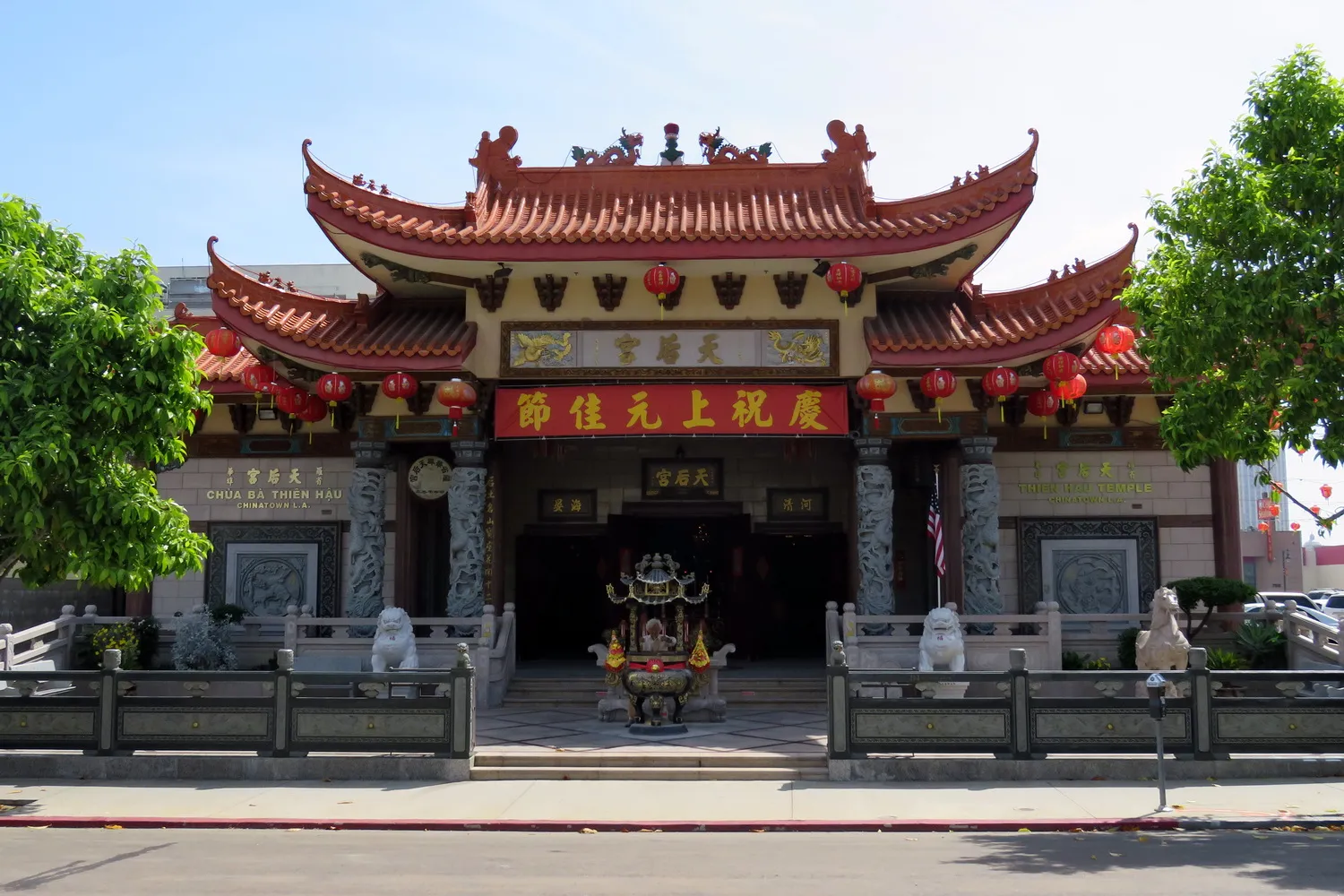
The Ba Thien Hau Temple is one of the oldest and most revered Chinese temples in Ho Chi Minh City. Built in the 18th century by the city's Chinese community, it is dedicated to Thien Hau, the Goddess of the Sea, who is believed to protect fishermen, sailors, and travelers.
Renowned for its traditional Chinese architecture, the temple features beautifully carved wooden altars, intricate ceramic decorations, colorful roof sculptures, and large spiral incense coils that hang gracefully from the ceiling. Its peaceful atmosphere and artistic craftsmanship make it a captivating place to visit.
Located in the vibrant Chinatown district of Cholon, Ba Thien Hau Temple is an important spiritual and cultural landmark. It offers visitors a glimpse into the rich heritage of the Chinese-Vietnamese community and remains a popular destination for worshippers and travelers alike.
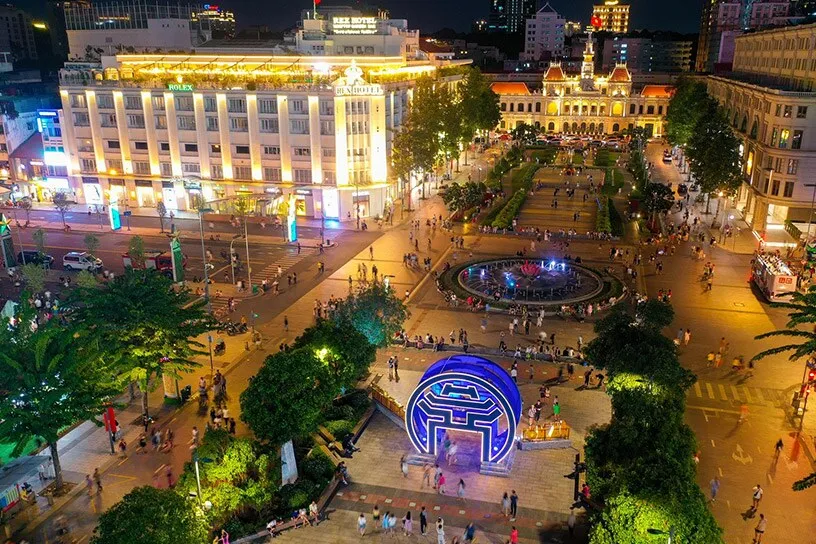
Nguyen Hue Walking Street is one of Ho Chi Minh City's most vibrant public spaces and a popular gathering place for both locals and visitors. Located in the heart of the city, this wide pedestrian boulevard is lined with modern cafés, restaurants, shopping venues, and impressive colonial-era buildings.
As the sun sets, the street comes alive with colorful lights, street performances, cultural events, and a lively atmosphere. Visitors can enjoy live music, local entertainment, and spectacular views of the city's modern skyline while experiencing the energy of urban Vietnam.
Stretching from the City Hall to the banks of the Saigon River, Nguyen Hue Walking Street is the perfect place for a leisurely stroll, photography, and evening relaxation. It beautifully showcases the harmony between Ho Chi Minh City's rich heritage and its dynamic modern lifestyle.
© 2026 International Ethnic Folklore Festival Vietnam (IEFF Vietnam). All Rights Reserved.
Designed & Developed by Driti Council of Performing Arts